

Sensory Room Equipment: Choosing And Using What Works


Sensory rooms with the right equipment give steady, calming input. They help students manage emotions, ease anxiety, improve focus, and build confidence. This also helps teachers and families with smoother days and better engagement. With good planning, schools see fewer escalations, easier transitions, and more time spent learning across grades and programs. This guide shows how to choose and set up simple, smart tools so your sensory space works on day one and keeps helping.
At Platinum Consulting Services, we help schools and community programs build sensory spaces that support students. With the right sensory room equipment, a sensory room can improve behavior, focus, and confidence without straining staff or budgets.
Exploring Sensory Rooms and Needs
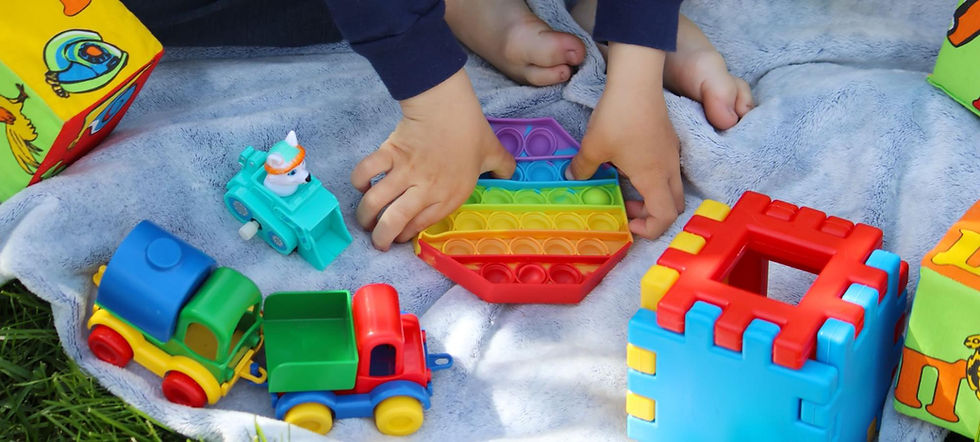
A sensory room is a controlled environment designed to offer individualized sensory input that reduces stress and builds regulation skills. We assess triggers, preferences, and goals, then create zones for calming, alerting, and organizing. Clear routines, visual supports, and staff coaching ensure consistent use, fidelity to plans, and measurable progress.
Who Benefits and Common Goals
Sensory rooms support students with autism, ADHD, sensory processing differences, cerebral palsy, intellectual disabilities, and students recovering from trauma. They’re also useful for staff wellness spaces and small-group work.
Our goals are simple: help students calm, engage, and self-regulate. We also work on communication, motor planning, and readiness to learn, so students go back to class more focused and confident.
Benefits extend to multilingual learners, anxious students, and athletes needing recovery. Goals are always functional: ready bodies for learning, safer behavior, and stronger participation. We embed choice-making, joint attention, and simple communication boards. Short, predictable sessions, followed by classroom carryover, help generalize regulation skills and reduce time lost to escalations.
Core Sensory Inputs: Vestibular, Proprioceptive, Tactile, Visual, Auditory, Olfactory
We plan by sensory input, not by gadgets. Vestibular tools give gentle movement and balance input. Proprioceptive tools give deep pressure and body awareness. Tactile tools invite safe touch. Visual elements soften the room and set a calm tone. Sound controls cut overwhelm. Scents, used carefully, can cue calm or alertness.
When we match needs to inputs first, the equipment list almost writes itself—and stays useful, not cluttered.
We match intensity, duration, and sequence to the student’s arousal level. Heavy work before movement can ground a seeker; slow, linear vestibular input calms avoiders. Neutral, low-contrast visuals reduce visual noise. Sound-dampening plus predictable cues support attention. Scents remain optional, with clear consent and fragrance-free alternatives to protect sensitivities always.
Planning Your Space, Safety, and Budget

Room Zoning: Calm vs. Active Areas
We start with zones. A calm zone centers on deep pressure, soft light, and retreat spaces. An active zone offers movement, resistance, and quick resets.
Clear boundaries make expectations simple for students and staff. It’s easier to pick the right zone at the right time and keep traffic moving.
Post visual maps at entry points, color-code areas, and label equipment clearly. Teach quick zone check-ins, timers, and hand signals so students switch independently, reducing interruptions and maximizing instructional minutes.
Safety, Accessibility, and Durability
Safety comes first. Look for rounded edges, secure mounting, and layouts that fit wheelchairs and assistive devices.
Durable, easy-to-clean materials keep programs running day to day. When equipment can handle real classrooms, teams can focus on students, not repairs.
Consult OT and PT on clearances and transfer needs. Choose non-slip flooring, tamper-resistant hardware, and ADA-compliant pathways. Post safety checklists so substitutes and paraprofessionals follow routines without guesswork during transitions.
Prioritizing Must-Haves Over Nice-To-Haves
Start with a focused kit: soft lighting, a couple of deep-pressure options, one or two movement tools, and a comfortable retreat. Then grow on purpose.
This staged approach respects budgets and gives quick wins. It also shows what students use most before you spend more.
Pilot items for two weeks, then survey staff and students about effectiveness, maintenance, and engagement. Track usage with tallies. Fund expansions through grants, PTA, and facilities budgets aligned to outcomes.
Calming Equipment Essentials
Lighting and Visual Soothers: Fiber Optics, Bubble Tubes, Projectors
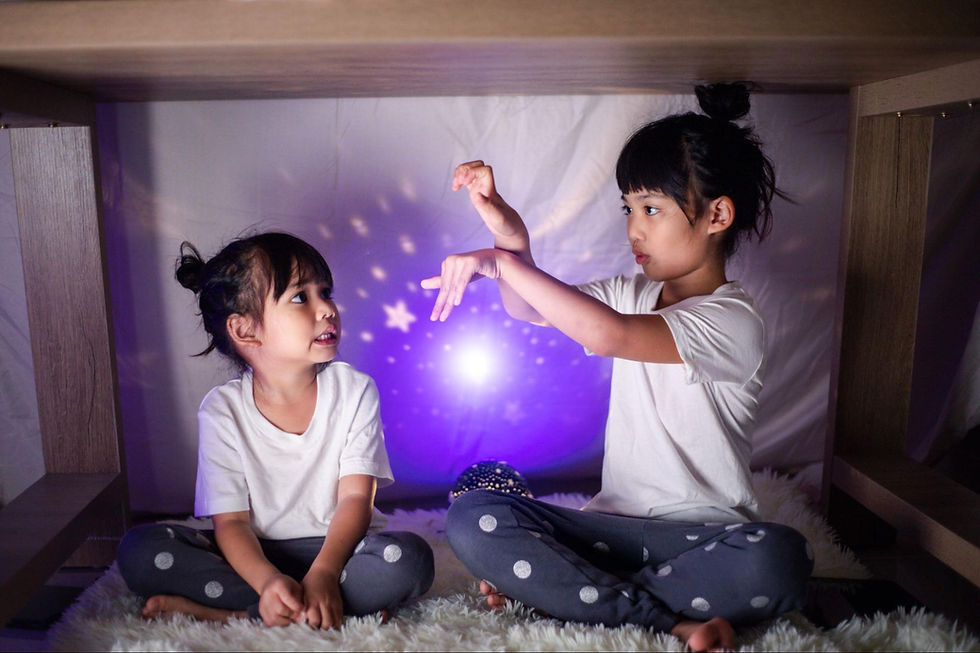
Gentle visuals set the mood. Soft LEDs, fiber optics, or bubble tubes lower stress and act as a clear calm cue. Projectors can add slow scenes that hold attention without distracting.
Keep controls simple so staff can adjust quickly during transitions. When the room looks calm, students feel it.
Avoid strobing or shifting patterns. Use dimmers and preset scenes for transitions, arrival, and cooldowns. Position lights out of sightlines to minimize glare, while ensuring pathways remain visible for safety.
Deep Pressure: Weighted Blankets, Compression, Lycra Swings
Deep pressure tools are a core piece. Weighted blankets, compression sleeves, or lycra swings give steadying input that eases anxiety and helps students reset.
Choose options that work across ages and abilities, with easy care and clear safety guidelines.
Introduce tools with visuals and practice scripts. Offer opt-in choices, weights within guidelines, and scheduled check-ins. Store items in labeled bins to streamline cleanup, replacement, and access during dysregulation spikes.
Cozy Retreats: Tents, Nooks, Crash Mats, Beanbags
Every sensory space needs a dependable retreat. Tents, nooks, crash mats, and beanbags create a predictable, low-demand corner.
With a place to breathe and regroup, students return to learning faster and with more control.
Define entry limits and time ranges. Add low-lumen task lights, breathable fabrics, and wipeable surfaces. Include visual schedules and sensory stories so students request breaks and rejoin instruction with confidence.
Active and Alerting Equipment
Vestibular Tools: Platform Swings, Hammocks, Balance Boards
For students who need movement to focus, vestibular tools help. A platform swing or hammock gives smooth input, while simple balance tools build confidence.
Use gentle rhythms and clear time limits. Keep sessions short and purposeful.
Secure anchor points and verify weight ratings. Introduce motion slowly, documenting levels. Pair movement with breathing cues or counting games to build regulation, then transition to seated tasks using timers.
Proprioceptive Input: Resistance Paths, Mini Trampolines, Body Socks

Proprioceptive equipment channels big energy safely. Resistance paths, mini trampolines, and body socks give grounding feedback that settles the body.
Short, structured bursts here often lead to better attention in class.
Set clear start-stop cues and maximums. Offer body socks for rooms and trampolines for bursts. Combine with wall pushes or pull-ups to channel energy when space or equipment is limited.
Interactive Panels and Cause-and-Effect Devices
Interactive panels and simple cause-and-effect devices add engagement without extra hassle. With PCS’s interactive classroom panels and software, students can reach, tap, draw, and respond together, linking movement and thinking.
These tools make learning more dynamic and fit easily into existing lessons.
Preload templates for centers, morning meetings, and communication practice.
Calibrate touchpoints for access needs. Use group roles—navigator, timer, reporter—to balance participation and regulate turns while collecting quick observational data daily.
Modular Add-Ons by Sense
Tactile Exploration: Sensory Bins, Wall Tiles, Fidgets
Add tactile pieces that invite safe, curious touch—sensory bins, wall tiles, and a small set of fidgets. Variety keeps interest high without clutter.
These fit well in both calm and active zones.
Rotate textures weekly to maintain novelty. Include matching cards for sequencing and descriptive language. Provide cleanup bins and hand wipes nearby so exploration stays hygienic, organized, between diverse student groups.
Sound Control: Sound Machines, Noise Reduction, Music
Sound matters. White noise or nature sounds can buffer a loud hallway, while noise-reducing tools help students stay present.
Thoughtful music supports rhythm, transitions, and small-group work without competing with instruction.
Audit noise hotspots and door gaps. Add pads, rubber feet, and dividers. Teach volume scales and cue words, pairing headphones with visuals so students self-advocate during fire drills, assemblies, lunch.
Smell and Taste: Diffusers, Scented Play, Safety Notes

Use scent sparingly and with clear consent. Neutral, hypoallergenic options keep the space inclusive..
Follow school policies and plan for allergies and sensitivities.
Keep scents minimal and labeled. Use options like lavender or citrus. Offer alternatives for non-participants, such as unscented clay. Document parent permissions and nurse guidance before introducing activities or chewables.
Implementation, Maintenance, and Tracking
Session Design: Routines, Choice Boards, Visual Supports
Consistency builds trust. Use short routines, visual supports, and simple choice boards so students know what to expect.
A predictable flow turns good equipment into real results.
Open with check-in scale and goals. Alternate calming and alerting choices as needed. End with reflection and transition cues that bridge back to classrooms: water, deep breaths, movement, then readiness.
Hygiene, Inspection, and Replacement
Daily wipe-downs and regular deep cleans keep the room ready. Light checks, secure mounting, and scheduled replacements protect users and budgets.
When tools are reliable, staff use them more—and students benefit more.
Create cleaning schedules by zone. Color-code cloths and disinfectants to prevent cross-contamination. Assign inspections with photos, then log issues and order parts promptly so downtime stays low and warranties valid.
Individualization and Data: Goals, Logs, Reviews
Tie use to a few functional goals: regulation, readiness, engagement. Quick logs and brief check-ins guide adjustments.
This light-touch data approach saves time while showing clear value to administrators and families.
Coordinate with IEP teams to align targets. Use icons to mark strategies that worked. Share summaries with families and administrators, highlighting patterns, next steps, and resource needs to sustain momentum.
Conclusion

Sensory room equipment works best when it’s purposeful, simple, and easy to maintain. Start with zones, add a few high-impact tools, and build from there. With the right plan, you’ll see calmer transitions, better focus, and more confident learners.
PCS brings educational technology, installation, and training together so your team can focus on students. Looking to upgrade your classrooms? Contact PCS for a custom tech plan, a free demo, or a quote: Explore our services, Learn about who we serve, Meet our team and mission, Browse our blog, or contact us. Let’s design supportive, inclusive spaces built for real classrooms and the students in them.
How do we choose the right sensory room equipment for different ages and needs?
Lead with purpose, not products. Set clear goals, match senses, choose adaptable pieces for all ages, and learn through small trials and feedback.
What’s the minimum equipment needed to start a small sensory room on a budget?
Start with one calming anchor and one active option. Pick simple, modular, budget-friendly pieces. Invest more only in what proves its value.
How do we ensure safety and maintenance for sensory room equipment?
Safety is designed, not added. Secure, inspect, train, clean, document—and remove anything uncertain.
How can we measure whether sensory room equipment is working?
Define success first. Capture a baseline, use it consistently, review patterns, and adjust fast—keep what works, drop what doesn’t.
Where should we buy sensory room equipment, and what certifications matter in the US?
Partner with trusted suppliers like Platinum Consulting Services. Prioritize quality, support, and room to grow. Blend smart new buys with vetted budget options and avoid no-spec listings.


Comments