

Items For A Sensory Room: What To Include And How To Choose


Sensory rooms are essential spaces that help students and adults regulate their nervous systems, reduce stress, and build readiness for learning. These environments provide controlled input—light, sound, touch, movement—to improve attention, communication, and self-management while decreasing challenging behaviors and downtime. They support inclusion by giving neurodivergent learners personalized ways to meet sensory needs, and they benefit all users during moments of fatigue or overload.
With consistent routines, sensory rooms strengthen emotional safety, increase independence, and accelerate skill development in classrooms, therapy, and community settings. Thoughtfully designed, they turn moments of dysregulation into opportunities for recovery, resilience, and meaningful participation daily.
Platinum Consulting Services partners with schools and organizations to design sensory spaces that work. At PCS, sensory rooms are purposeful environments where comfort meets capability and the right tools support learning. If you’re choosing items for a sensory room, you’re likely balancing calm and focus, movement and exploration, hygiene and durability, ease of use and long-term value. Use this streamlined framework to choose wisely and build a space that serves every learner.
Define Goals And User Needs

Start with intent. A sensory room should reflect clear goals, not a collection of gadgets. Are you aiming to calm, to alert, to build self-regulation, or to provide a reset between classes? Defined outcomes guide better purchases and daily use.
Age Groups And Sensory Profiles
Different users need different inputs. Preschoolers often respond to simple, colorful, tactile items. School-age students benefit from movement and structured choices. Adolescents and adults usually prefer subtle, calming tools and personal control. Balance supports for hypersensitive, hyposensitive, and sensory-seeking profiles to reduce overwhelm and increase engagement.
Assessment And Goal Setting
Conduct a quick needs check with educators, therapists, and caregivers. Set practical targets such as shorter transitions, improved on-task behavior, or stronger self-advocacy. When items map to goals, every purchase has purpose.
Policies, Safety, And Equity
Simple rules keep the room welcoming: time limits, supervision, and cleaning routines. Safety and access are essential. Design for mobility devices, auditory and visual needs, and reachable controls so everyone can participate with dignity.
Core Sensory Modalities And Example Items
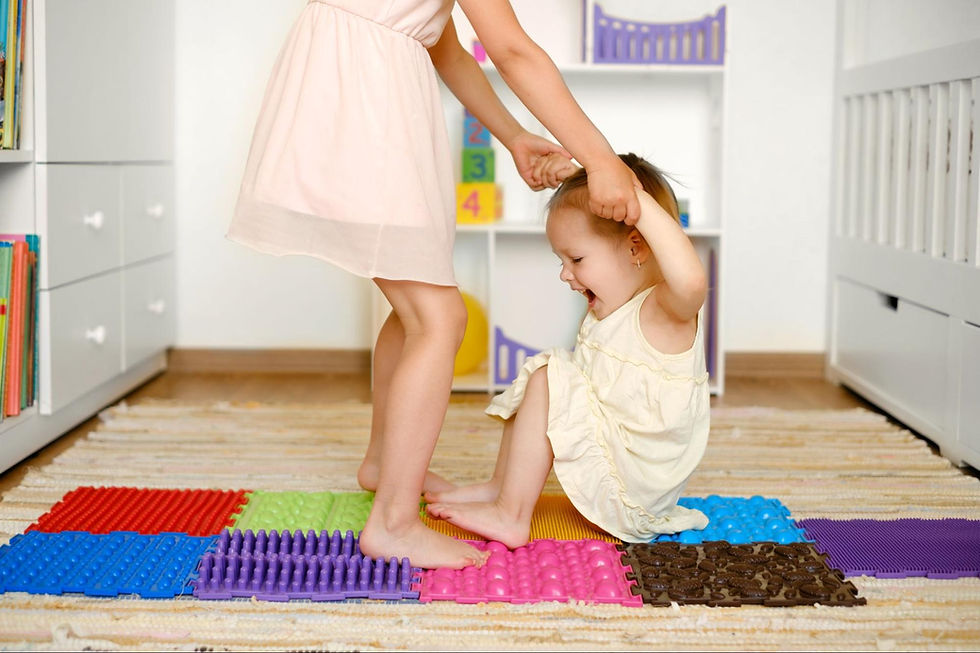
A balanced room offers choices across modalities so students can match input to need.
Tactile: Textures, Fidgets, And Messy Play
Soft fabrics, textured tiles, fidget tools, and sensory bins encourage hands-on exploration. Favor durable, easy-to-clean materials. Pocketable fidgets support regulation beyond the room.
Vestibular And Proprioceptive: Movement And Deep Pressure
Gentle movement tools—rockers, wobble cushions, therapy balls—help reset the nervous system. Weighted blankets or lap pads provide grounding input. These options add value without major renovations.
Visual: Lighting, Projection, And Visual Focus
Calming visuals matter. Bubble tubes, fiber optics, and adjustable light cubes set the tone. A small projector or interactive projection can create responsive activities that focus attention without overstimulation.
Auditory: Soundscapes And Noise Management
Sound machines and curated playlists deliver predictable soundscapes. Noise-canceling headphones and acoustic panels reduce distractions. Choose tools that are quick to operate so teachers don’t lose time.
Olfactory And Gustatory: Scents And Safe Tastes
Use scents sparingly and align with policies and sensitivities. Any taste-based activity should be safe, supervised, and optional. When uncertain, prioritize scent-neutral, allergen-aware choices.
Regulation And Calm: Seating, Shelters, And Breath Tools
Soft seating, small tents or nooks, and visual breathing guides provide reliable places to reset. These quiet anchors communicate psychological safety.
Budget-Friendly To Advanced: Items Checklist

Choose a mix that fits your budget while keeping future upgrades in mind.
Starter Kit
Weighted lap pad or blanket
Fidget tools bundle and tactile panels
Sensory mat or wobble cushion
Compact bubble tube or light cube
Basic sound machine or curated playlist
These essentials deliver quick, plug-and-play impact across grade levels.
Mid-Range Build
Fiber optic lighting and dimmable room lights
Rockers, therapy balls, and soft seating
Small projector for calming visuals
Noise-canceling headphones and an organizer cart
Starter interactive panel for visuals and timers
This tier adds flexibility, zones, and simple controls.
Comprehensive Room
Interactive sensory panels and projection systems
Multi-sensory wall arrays and app-controlled lighting
Swings or advanced movement stations (where permitted)
Acoustic treatments and flexible furniture
Data-enabled tools to track usage and routines
This level creates a fully integrated classroom resource.
Smart, Safe Setup And Accessibility

Layout and logistics are as important as the tools.
Zoning The Room For Different Needs
Separate calming, movement, and exploration zones. Clear visual cues and pathways support smooth transitions and reduce conflicts between quiet and active activities.
Safety, Hygiene, And Accessibility Standards
Choose durable, non-toxic materials and set simple cleaning routines. Ensure wide pathways, reachable controls, and adjustable seating for wheelchair access and universal use. Add hand hygiene stations for everyday practicality.
Power, Cable Management, And Storage
Plan outlets, surge protection, and cable covers early. Use mobile carts and labeled bins to keep tools organized and ready. Clean setup preserves calm and saves teacher time.
Edtech-Enabled Tools And Integration
Technology should be simple, reliable, and tied to outcomes.
Interactive Projection And Sensory Panels
Interactive panels, projection screens, and responsive floor or wall systems turn walls into active learning zones. With PCS support, these tools run reliably, integrate with existing devices, and serve multiple subjects, from visual schedules to SEL prompts.
App-Controlled Lighting, Sound, And Routines
App-based controls let staff set scenes—calm, focus, transition—in seconds. Timed lighting and playlists bring consistency to routines across classrooms and campuses.
Visual Schedules, Timers, And AAC Tools
Digital visual schedules, large-screen timers, and AAC-friendly apps help students anticipate, request, and self-advocate. These tools support smoother transitions and stronger self-regulation.
Maintenance, Evaluation, And Training
Sustainable systems protect your investment and impact.
Cleaning And Durability Plans
Adopt a short, repeatable cleaning routine and plan for replacing high-touch items. Selecting rugged, classroom-ready gear upfront protects budgets over time.
Usage Guidelines And Staff Training
Provide clear, one-page usage guidelines to reduce guesswork. PCS professional development covers teacher training, technology integration, and skill-building so staff feel confident from day one.
Progress Tracking, Data, And Funding
Track usage, note wins, and align data with IEP or MTSS goals. PCS can support grants and product roadmaps so your sensory room evolves with your learners.
Conclusion

Choosing items for a sensory room with intention creates a trusted space where students return to learning ready and regulated. With PCS, you get simple integration, measurable results, and a partner that stands behind every solution.
Ready to upgrade your classrooms? Contact PCS for a custom plan.
Request a free demo or quote for your school. If you’re exploring bundles—from interactive panels and peripherals to STEM and sensory kits—we’ll curate a list that fits your goals and budget. Complete our order form with your wish list, and we’ll source the exact products and ensure a seamless purchasing experience.
Explore promotional products and supplies for student engagement. Discover how PCS can help your school implement smarter teaching tools. Your sensory room can be future-ready, equitable, and built for real classrooms.
Frequently Asked Questions
What are essential items for a sensory room on a starter budget?
A starter kit can include a weighted lap pad or blanket, a fidget bundle with tactile panels, a wobble cushion or sensory mat, a compact bubble tube or light cube, and a basic sound machine. These items provide quick, reliable impact.
How should I choose items by age and sensory profile?
Match tools to goals and users. Preschoolers often benefit from colorful, tactile items; school-age learners need movement and structure; adolescents prefer subtle, calming tools and choice. Balance supports for hypersensitive, hyposensitive, and sensory-seeking profiles.
What safety and accessibility standards should guide a sensory room?
Set time limits, supervision, and cleaning routines. Choose durable, non-toxic materials; provide wide pathways, reachable controls, adjustable seating, and wheelchair access. Include acoustic management and scent-aware policies.
How do you zone a sensory room and manage power and storage?
Create calming, movement, and exploration zones with clear visual cues. Plan outlets, surge protection, and cable covers from the start. Use mobile carts and labeled bins to keep items organized and ready.
Are weighted blankets safe for students, and how heavy should they be?
Choose about 5–10% of the user’s body weight, adjusting for comfort. Avoid use with anyone who cannot remove the blanket independently. Consult an OT for individualized guidance and supervise to prevent overheating. Lap pads can offer similar benefits in classrooms.
What size space works best for a school sensory room?
There’s no single ideal size. Many schools succeed with 100–200 sq ft rooms, but corner nooks or repurposed spaces can work when well zoned. Prioritize safe pathways, movement clearance, and storage. Focus on versatile items and layout to maximize impact.


Comments