

CTE Welding Tool Kits Supplier In Kansas: How To Equip Your Program For Success


A welding lab is more than a shop space. It’s where students discover what they’re capable of—a career launchpad where beginners can safely make mistakes, ask questions, and gradually see themselves as future professionals.
When you pair quality CTE welding tool kits with the right educational technology solutions, you create a learning environment where students can practice industry standards, build confidence, and earn credentials that truly matter. You also give instructors the support they need to focus on teaching, mentoring, and encouraging every learner—from the student who’s already job-focused to the one still finding their path.
In this guide, we share what we’ve learned at Platinum Consulting Services (PCS) from partnering with schools and colleges across the country. We’ve listened to instructors, lab managers, and administrators who want the best for their students but face real constraints in time, budget, and space. If you are choosing a CTE welding tool kits supplier in Kansas, or updating your current kits, we’ll walk through what matters most.
We’ll cover alignment to Kansas standards, safety and peace of mind, durability for daily use, funding requirements, and practical rollout in real classrooms and labs.
Why Quality Welding Tool Kits Are Important For CTE Programs
CTE welding tool kits are more than a shopping list of PPE and hand tools. They shape how students experience welding technology every day.
With well-designed kits, students can:
Practice core processes like SMAW, GMAW, GTAW, and FCAW using tools similar to those in industry
Learn inspection, measurement, and tool care on equipment that matches current standards
Build safe habits from the first arc they strike
Weak or incomplete kits create instructional problems. Instructors end up sharing basic tools, wasting time tracking down missing items, or skipping key demonstrations. Students lose hands‑on time with essential skills, which damages both competency and confidence.
Durable tools also lower long‑term costs. When your welding kits withstand multiple cohorts each year, you limit replacements and keep instruction consistent—especially important for competency‑based programs, dual credit, or accelerated pathways.
At PCS, we treat welding kits like interactive classroom panels and other instructional technology: their job is to remove friction from teaching and learning. The right tools, configured the right way, let instructors focus on teaching instead of logistics.
Unique Needs Of Kansas CTE Welding Classrooms And Labs
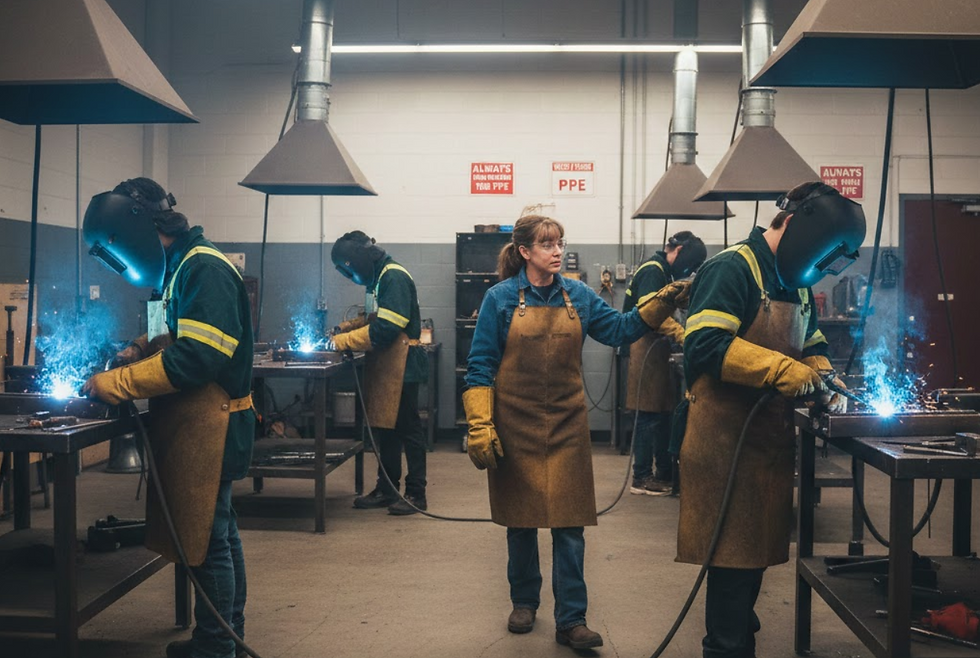
Kansas CTE welding programs operate in a very specific environment. To choose the right CTE welding tool kits supplier in Kansas, it helps to understand those unique needs.
Alignment to KBOR Welding Technology (CIP 48.0508)
Kansas Board of Regents alignment for Welding Technology covers a broad range of content, including:
Brazing and soldering
Cutting processes
Metallurgy fundamentals
Safety and applicable codes
Your tool kits have to support that full scope. That means thinking beyond a basic helmet and chipping hammer, and making sure you have process specific accessories, cutting tools, and measurement equipment that match each competency.
Mix of high school, dual credit, and postsecondary learners
Across Kansas, CTE welding can live in several settings at once:
High school programs, including junior and senior options
Dual credit partnerships with technical colleges
Full time postsecondary and adult learner programs
Each group uses the lab a little differently. High school programs may rely more on shared lab kits with a smaller set of personal PPE for each student. Technical colleges and adult programs might issue more comprehensive personal kits.
A strong supplier will help you configure kits that work across this range without creating confusion or waste.
Credential and industry partnership expectations
Kansas programs frequently emphasize:
OSHA 10 or similar safety credentials
AWS certifications and SENSE based training
Active partnerships with local employers
Your tool kits need to match those expectations. If local partners expect students to be comfortable with certain helmet styles, grinders, or measurement tools, your kits should mirror that. The more closely your lab environment matches local worksites, the smoother the transition from classroom to career.
This is the same philosophy we bring to our digital classroom tools: whether it is welding, STEM labs, or core content, we design solutions that reflect real world conditions, not idealized ones.
What To Look For In A Kansas CTE Welding Tool Kits Supplier

Choosing a CTE welding tool kits supplier in Kansas is not just a purchasing decision. It is a program strategy decision. Here is what we recommend evaluating.
Experience with Kansas CTE and KBOR aligned programs
Your supplier should understand:
Kansas CTE pathways and KSDE course competencies
KBOR Welding Technology alignment sheets
How secondary and postsecondary standards connect in real programs
This makes it much easier to map every tool in the kit to a specific competency or course outcome.
Ability to configure kits for different institutions
Kansas has a diverse mix of welding providers. Each has its own mix of:
Entry level learners
Dual credit high school students
Adults reskilling or upskilling
Your supplier should be comfortable building:
Basic starter kits for high school programs
Intermediate kits for dual credit
Advanced or specialized kits for postsecondary and industry training
At PCS, we treat welding kits similarly to how we configure interactive classroom panels or STEM bundles: we start with your program design, not with a generic catalog page.
Reliability, warranties, and replacement parts
Look for a supplier that offers:
Clear warranties on helmets, tools, and accessories
Reliable access to replacement parts and consumables
Support for bulk purchasing for Perkins, WIOA, and local CTE funded orders
That reliability is just as important as the initial purchase. It keeps your lab running smoothly when something inevitably gets damaged or lost.
Safety documentation and standards alignment
Finally, the supplier should be able to provide:
Manufacturer safety data and documentation
Confirmation that PPE and tools meet OSHA guidelines
Alignment with AWS SENSE or other relevant standards
If your vendor cannot clearly answer basic safety and standards questions, they are not the right fit for a Kansas CTE welding program.
Essential Components Of A Complete CTE Welding Tool Kit
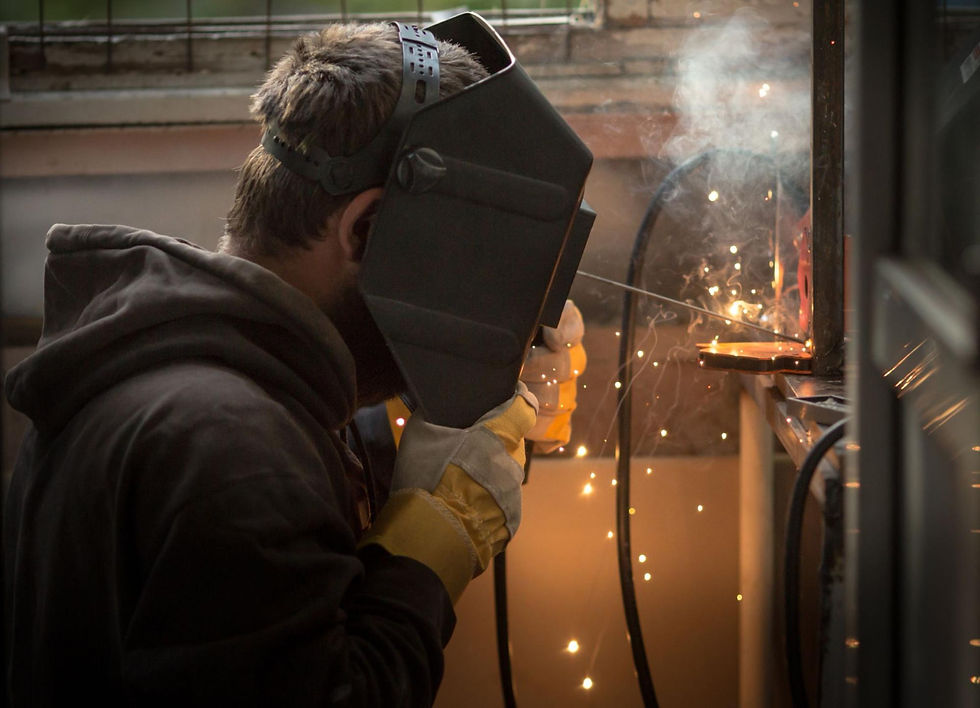
While every program is unique, most Kansas CTE welding kits fall into two categories: student personal kits and shared lab or program kits.
Student personal welding tool kits
A typical student kit usually includes:
Welding helmet (auto darkening preferred for most programs)
Safety glasses with appropriate rating
Welding gloves (SMAW and GMAW oriented, sometimes TIG gloves as needed)
Welding jacket or sleeves
Chipping hammer
Wire brush
Combination pliers or welding pliers
Tape measure
Soapstone or marking tools
Durable tool bag or backpack
These items travel with the student and help them build responsibility for their own gear. They also ensure that each student can safely participate, even when classes are full.
Program or lab level welding tool kits
Lab kits support the full scope of welding coursework and typically include:
C clamps, locking pliers, and specialty clamps
Squares and layout tools
Angle grinders and accessories
Cutting tools, including oxy fuel and plasma related items where applicable
Gauges, rulers, and measurement tools
Process specific accessories for SMAW, GMAW, GTAW, and FCAW
These items stay in the shop and are tied closely to lesson plans, demonstrations, and competency check offs.
At PCS, we often help schools think about welding kits the same way we think about classroom tech bundles. Personal kits are like a student device: consistent and assigned. Lab kits are like shared interactive panels or document cameras: central resources that support a wide range of instruction.
If you are building multiple labs or campuses, we can also help you standardize kit contents so instructors can collaborate more easily and students can transition between locations without surprises.
Conclusion
A strong CTE welding tool kits supplier in Kansas does more than ship boxes of gear. The right partner helps you design durable, standards aligned kits that match your pathways, support safety and credentials, and make smart use of federal and local funds.
At PCS, we bring together welding lab expertise and broader educational technology solutions to build future ready CTE environments. From welding helmets and grinders to interactive panels and STEM bundles, our focus is the same: make learning more dynamic with smart tools that are built for the demands of real classrooms and labs.
If you are planning to upgrade your welding program or modernize your CTE spaces, we would be glad to talk through options, funding timelines, and implementation plans. Explore our About Us page to learn more about our approach, or review insights on our blog.
Looking to upgrade your classrooms and labs? Contact PCS for a custom tech and tooling plan. You can also explore additional services and promotional products that support recruitment, employer partnerships, and student success.
Frequently Asked Questions
What should I look for in a CTE welding tool kits supplier in Kansas?
When choosing a CTE welding tool kits supplier in Kansas, prioritize experience with Kansas CTE and KBOR-aligned programs, ability to configure kits for different learner levels, clear warranties and replacement parts, strong safety documentation, and support with Perkins, WIOA, and local CTE funding requirements.
How do quality CTE welding tool kits impact student learning outcomes?
Quality CTE welding tool kits allow students to practice SMAW, GMAW, GTAW, and FCAW on industry-relevant tools, learn accurate measurement and inspection, and build safe habits from day one. Well-designed kits reduce sharing and downtime, increasing hands-on practice, which boosts both student competency and confidence in welding skills.
How can I align welding tool kits with Kansas and KBOR welding standards?
Start by reviewing KSDE course outlines and KBOR Welding Technology alignment sheets. Map each tool in the kit to specific competencies, such as welding processes, safety outcomes, and measurement tasks. This standards alignment helps justify purchases, document program quality, and support audits, advisory boards, and funding applications.
What is typically included in Kansas CTE student welding tool kits?
Most student personal kits include an auto-darkening welding helmet, safety glasses, welding gloves, a jacket or sleeves, chipping hammer, wire brush, welding or combination pliers, tape measure, marking tools like soapstone, and a durable bag or backpack. These items travel with the student and support consistent, safe participation in labs.
How much do CTE welding tool kits for schools usually cost?
Costs vary by brand, process mix, and whether kits are personal or lab-level. Basic student PPE and hand-tool kits often start in the low hundreds per student, while full lab setups with grinders, clamps, cutting tools, and process-specific accessories can reach tens of thousands when equipping multiple booths or campuses.
Can a CTE welding tool kits supplier in Kansas help with funding and implementation?
A knowledgeable CTE welding tool kits supplier in Kansas can assist with mapping tools to competencies for Perkins V and WIOA justification, preparing detailed kit lists for approval, planning phased deliveries, and supporting orientation, safety training, and inventory control so rollout is smooth across high schools, dual credit, and postsecondary labs.


Comments